

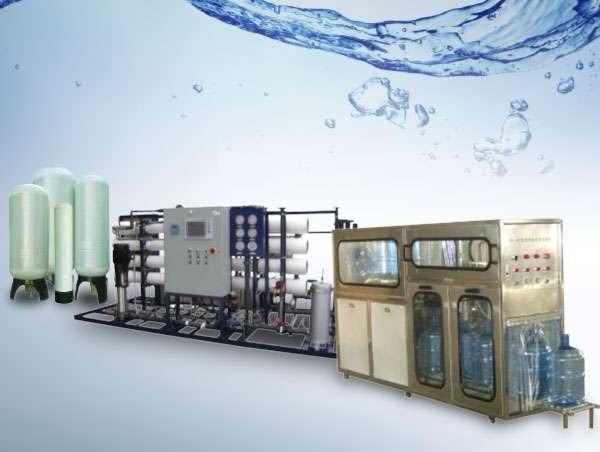
Introduction: In the realm of packaged water, jar water plants have emerged as a sustainable and convenient solution to meet the growing demand for safe and accessible drinking water. These plants specialize in packaging water in jars, providing consumers with a reliable source of hydration while contributing to eco-friendly initiatives. This article explores the features, benefits, and environmental impact of jar water plants as they play a crucial role in shaping the future of the bottled water industry.

The Essence of Jar Water Plants:
Jar water plants focus on packaging water in larger containers, typically in the form of jars or multi-liter bottles. This approach offers consumers an alternative to traditional single-use plastic bottles, promoting a more sustainable and cost-effective solution for everyday hydration needs.
Key Features and Operational Aspects:
- Bulk Packaging for Sustainability:
The primary distinction of jar water plants lies in their emphasis on bulk packaging. By providing water in larger containers, these plants aim to minimize the environmental impact associated with single-use plastic bottles. - Water Purification Standards:
Maintaining high water quality is a priority for jar water plants. They often invest in advanced water purification technologies, including reverse osmosis and UV treatment, to ensure that the water meets stringent health and safety standards. - Cost-Effective Solutions:
Jar water plants offer a cost-effective option for consumers who require larger quantities of water. This makes them particularly appealing for households, offices, events, and other settings where a significant amount of water is needed. - Customizable Sizes and Packaging:
Jar water plants typically provide a range of jar sizes to cater to diverse consumer needs. From compact jars for individual use to larger containers suitable for families or events, the flexibility in packaging allows for customization.
Sustainability and Environmental Impact:
- Reduced Single-Use Plastic Waste:
One of the primary environmental benefits of jar water plants is the reduction in single-use plastic waste. By promoting the use of larger, refillable containers, these plants contribute to a more sustainable approach to packaged water. - Recyclable Materials:
Many jar water plants prioritize the use of recyclable materials for their packaging. This ensures that, even when disposed of, the environmental impact is minimized, aligning with the global push for greater recycling initiatives. - Localized Production and Distribution:
To further minimize the carbon footprint, some jar water plants focus on localized production and distribution. This approach reduces transportation-related emissions and supports regional economies.
Challenges and Opportunities:
While jar water plants offer sustainable solutions, they may face challenges such as consumer awareness, competition with traditional bottled water, and logistical considerations. However, the growing emphasis on environmental consciousness and sustainability presents ample opportunities for these plants to thrive and expand their market share.
Conclusion:
Jar water plants represent a step forward in the evolution of the bottled water industry, offering a sustainable and convenient option for consumers. With their focus on bulk packaging, water purification standards, and environmental consciousness, these plants contribute to a future where hydration is not only accessible but also aligned with eco-friendly practices. As the demand for sustainable alternatives continues to rise, jar water plants stand poised to quench the global thirst for water while leaving a positive impact on the planet.